Wedding Timeline Guide
Wedding days move quickly. To help you stay present and focused on what matters most, I’ve created a wedding day guide designed to support you throughout the experience.
What we will cover:
On this page, I’ll walk you through a full wedding day timeline, how the day typically unfolds from start to finish, along with a few helpful tips to make sure you feel prepared and relaxed going into your wedding day.
What to expect during the wedding day:
On your wedding day, I’m very present and hands-on when guidance is needed and quiet when it’s not. During getting ready, the first look, couple portraits, and family formals, I’ll gently but clearly guide you, giving verbal direction, helping with movement, and making sure you feel comfortable rather than awkward or unsure of what to do. As the ceremony begins, I step back completely and document everything as it naturally unfolds. During the reception, I stay attentive to the flow of the evening, checking in before key moments like the first dance or cake cutting, while allowing the rest to happen candidly. Throughout the day, I stay closely connected to you, making sure you’re feeling good, supported, and never rushed. My role is to hold the structure so you don’t have to, allowing you to stay present and enjoy your day.
Getting Ready:
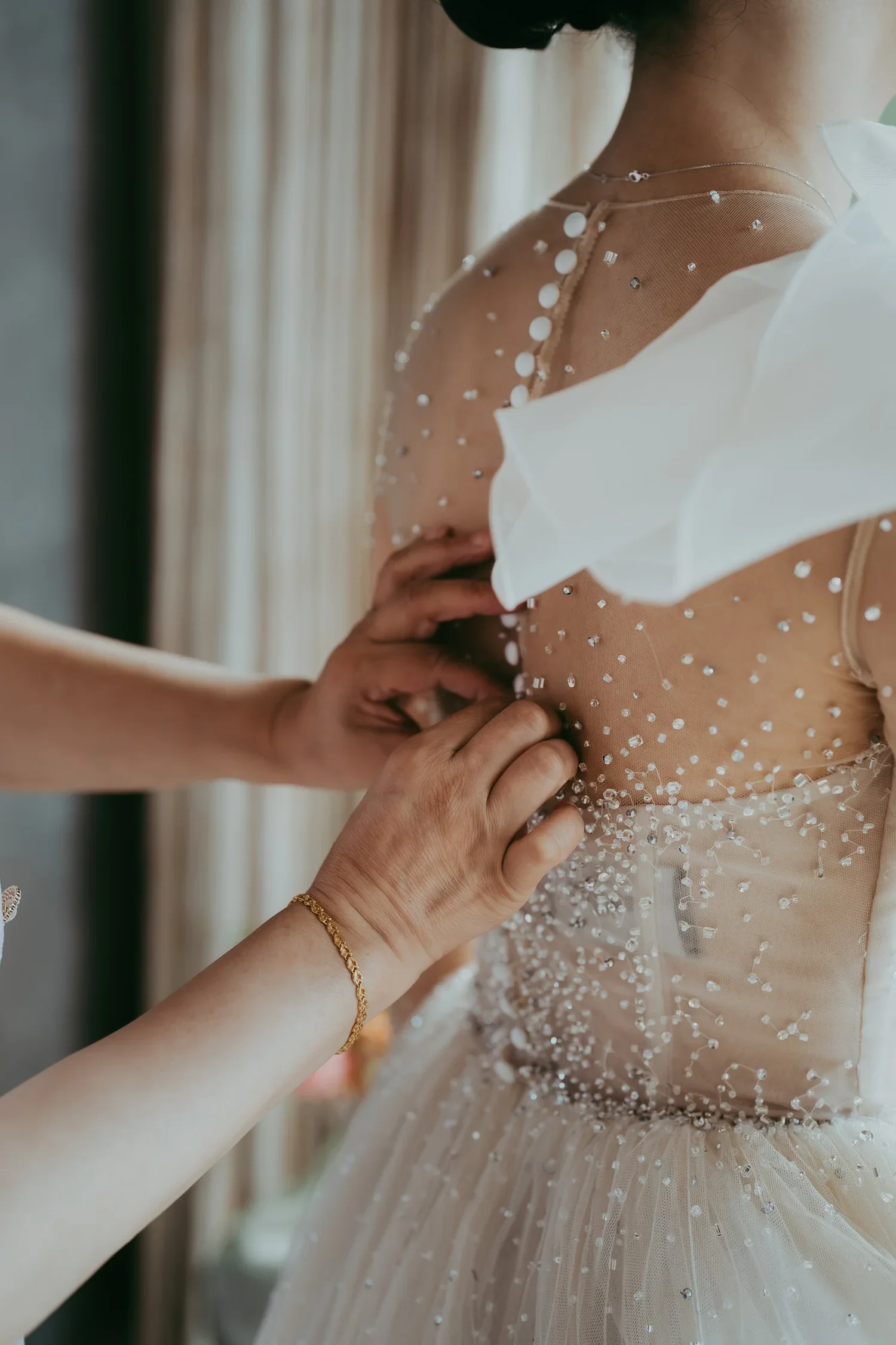
Getting ready is a very important part of the wedding day. It sets the tone and marks the beginning of your story. This is when everything starts to feel real, the quiet moments, the anticipation, and the transition into the day you’ve been planning. I’m hands-on during this time, guiding you gently while allowing space for the moments to unfold naturally. I will start with make-up photos, just a few clicks, then I will focus on the dress and the details and once the hair and makeup is close to be done, I will get back for more pictures.
Tips for Getting Ready Photos
Choose a spacious, clean room with plenty of natural light. This makes a significant difference in how the photos look and how relaxed the experience feels.
If the space itself is limited, having one clean, uncluttered area where you’ll put on your dress is more than enough.
Please have a beautiful bridal hanger for the dress.
Details to Have Ready
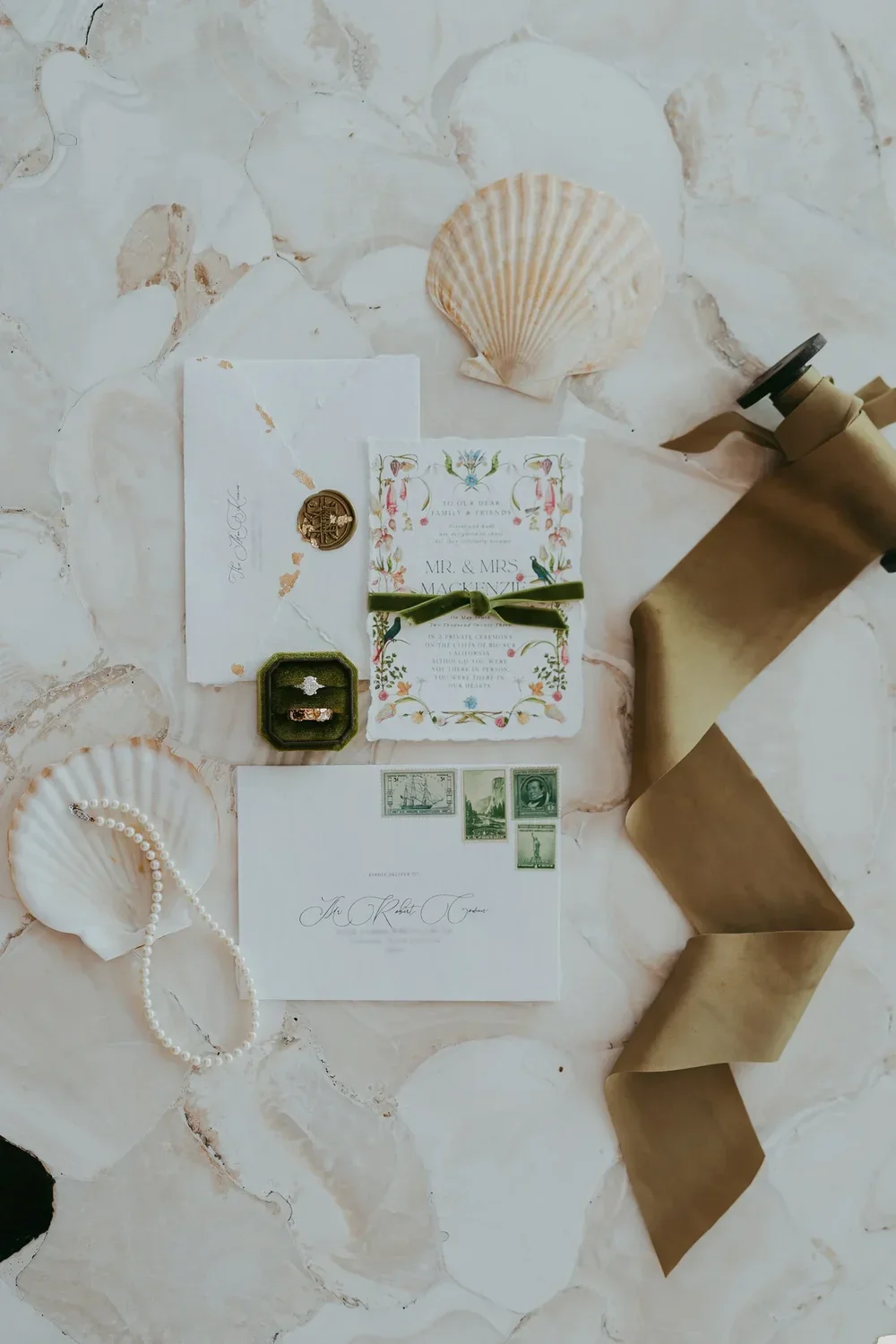
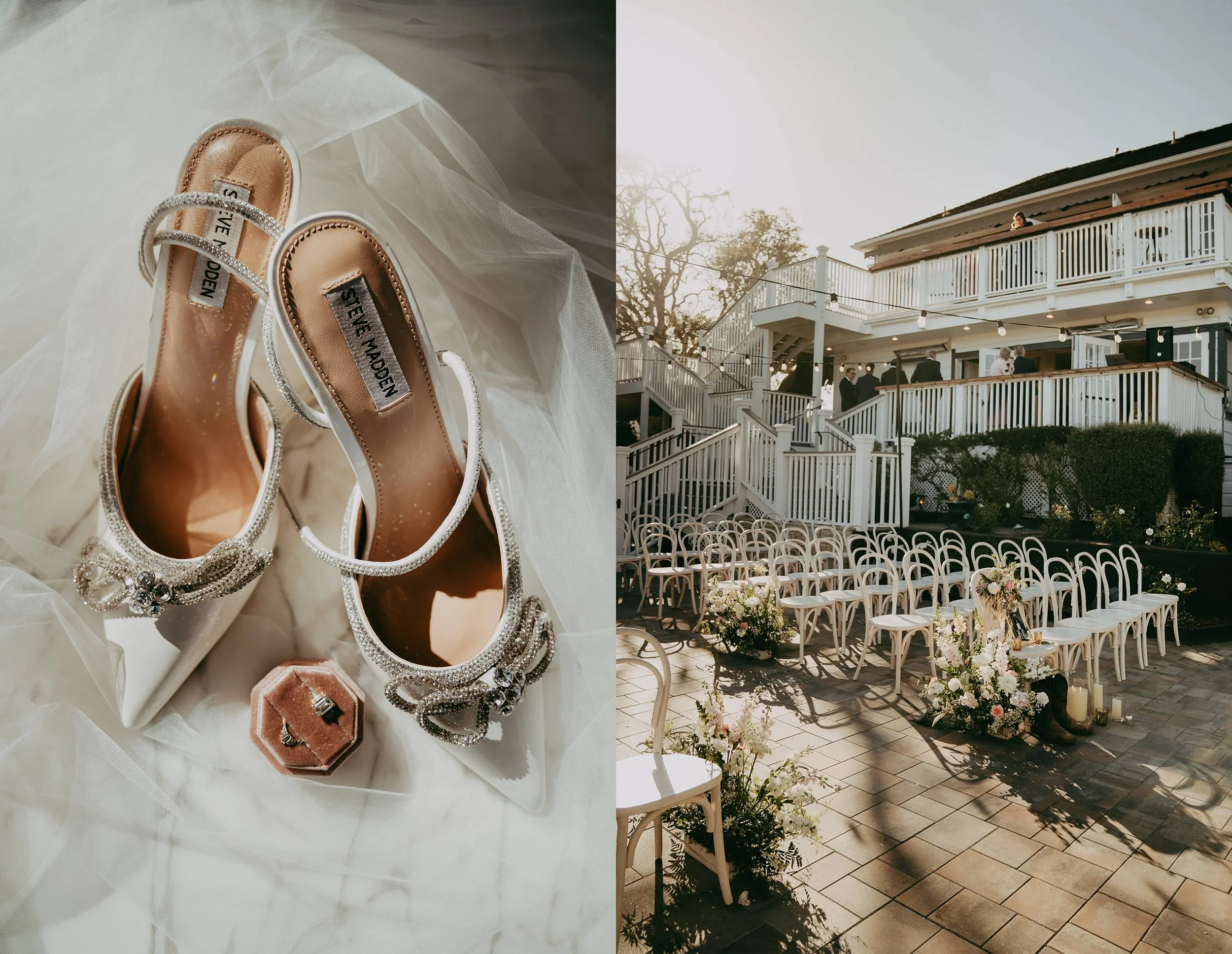
This is the time when I photograph the details that help tell the full story of your day. Please have these items ready in one place (this is optional and you do NOT need to include all these items):
Shoes
Invitations
Jewelry
Vow books
Rings
Bouquet
Perfume
Any meaningful personal details you’d like photographed
I’ll also photograph the dress hanging and veil, so having a clean, simple area for this is ideal.
If you would like flat lay photos, please mention this in our final questionnaire and allow an additional 30 minutes specifically for flat lays.
Timing for Getting Ready
I typically recommend 2–3 hours for getting ready photos. The exact amount of time depends on a few factors:
Whether both the bride and groom would like getting ready photos
If you’re getting ready at the same location or separate locations
Any travel time between locations
The size of the wedding party
Whether family members will be present during this time
We’ll go over all of this together while building your timeline to make sure everything feels comfortable and un-rushed.
Important reminder: Please make time to eat and hydrate during this part of the day. Getting ready can move quickly, and staying nourished helps you feel your best as the day unfolds.
First Look vs. No First Look
There is no right or wrong choice when it comes to having a first look. Both options offer meaningful experiences, and the best decision depends on how you want your wedding day to feel and flow. I’ll support either choice and help shape the timeline around what feels most aligned for you.
First Look
A first look takes place earlier in the day, before the ceremony, when you see each other privately for the first time.
Pros:
A quiet, intimate moment shared just between the two of you
We can still capture real-strong emotions with several tears
Helps ease nerves and ground you before the ceremony
Allows more flexibility in the timeline and portrait schedule
Gives you the opportunity to exchange private vows or words you may not want to share with a crowd
Creates space to truly take each other in, express admiration, and talk about how you feel seeing one another, something that often isn’t possible during the ceremony
Often allows you to enjoy more of your cocktail hour with guests
Cons:
The first reveal happens before the ceremony
For couples who value tradition, the aisle moment may feel especially important
No First Look
Without a first look, you see each other for the first time during the ceremony.
Pros:
A more traditional approach
The moment of seeing each other during the ceremony can feel powerful and emotional
Everything builds toward that shared reveal
Cons:
Less flexibility in the timeline
Portraits typically happen after the ceremony
Portrait time may feel more time-sensitive, especially depending on light and season
A Note on Timing & Experience
If you choose not to do a first look, we’ll be very intentional with how we use the time after the ceremony and during cocktail hour. If you choose to have a first look, the day often feels more relaxed overall, with more space to slow down and be present.
Either way, I’ll guide you through the flow of the day so your timeline supports the experience you want, not the other way around.
Alternatives to a First Look
If a traditional first look doesn’t feel right, alternatives like a first touch, a private vow exchange, or a quiet moment together allow you to connect without seeing each other and still create a calm, unrushed pause in the day.
Couple Portraits
Couple portraits are one of the few moments on your wedding day where you get to slow down and be together, just the two of you. This time is guided and structured, while still leaving room for genuine connection and natural expression.
I’ll guide you clearly throughout this portion of the day, giving verbal direction and prompts so you never feel unsure of what to do. I do pose you and offer direction, but in a way that feels comfortable and natural, nothing overly stiff or forced. Even moments that feel candid are guided with purpose. My goal is for you to feel supported and confident while creating images that feel timeless and true to you.
What to Expect
Clear verbal guidance and direction throughout
Poses and movements that feel natural and comfortable
Support with where to stand, how to move, and what to do with your hands
A calm, unrushed pace that allows moments to unfold naturally
If we’ve scheduled a first look, most couple portraits will take place earlier in the day. If not, portraits typically happen after the ceremony or during cocktail hour. Either way, we’ll plan this carefully so it fits smoothly into your timeline.
Timing
I generally recommend 20–45 minutes for couple portraits, ideally split into two short sessions at different moments of the day.
The exact timing depends on:
Whether you choose a first look
The time of day and available light
The distance between portrait locations
The overall flow of your day
A Gentle Reminder
You don’t need to worry about performing or getting things “right.” I’ll guide you every step of the way so you can relax, trust the process, and enjoy this time together.
The Ceremony
The ceremony is one of the most significant moments of the day, and during this time I take a fully unobtrusive approach. Once the ceremony begins, I step back and document everything as it naturally unfolds, the emotions, the exchanges, and the quiet in-between moments, without interruption or direction.
I move discreetly allowing the focus to remain entirely on you and the experience you’re sharing. There is no posing or guidance during the ceremony; my role is to observe and capture it as it happens so you can be fully present, knowing every important moment is being documented respectfully.
If there are any special elements planned, personal vows, cultural traditions, or meaningful readings, it’s always helpful for me to know ahead of time so I can anticipate those moments without disrupting the flow.
Ceremony Tips
Please keep the ceremony no shorter than 20 minutes as it allows for more moments and a richer photo gallery.
For the wedding party walking down the aisle: aim for a comfortable, unhurried pace, not too fast-rushed. Please allow space between each person or pair so I have time to capture everyone individually as they walk.
A few natural glances toward the camera as the wedding party walks down the aisle are perfect. There’s no need to look at me the entire time, just occasional eye contact helps create strong, expressive images.
During the ceremony, I’ll be capturing candid moments of the wedding party. Being mindful of facial expressions and interactions helps keep the focus on the ceremony while still allowing moments to feel natural and genuine.
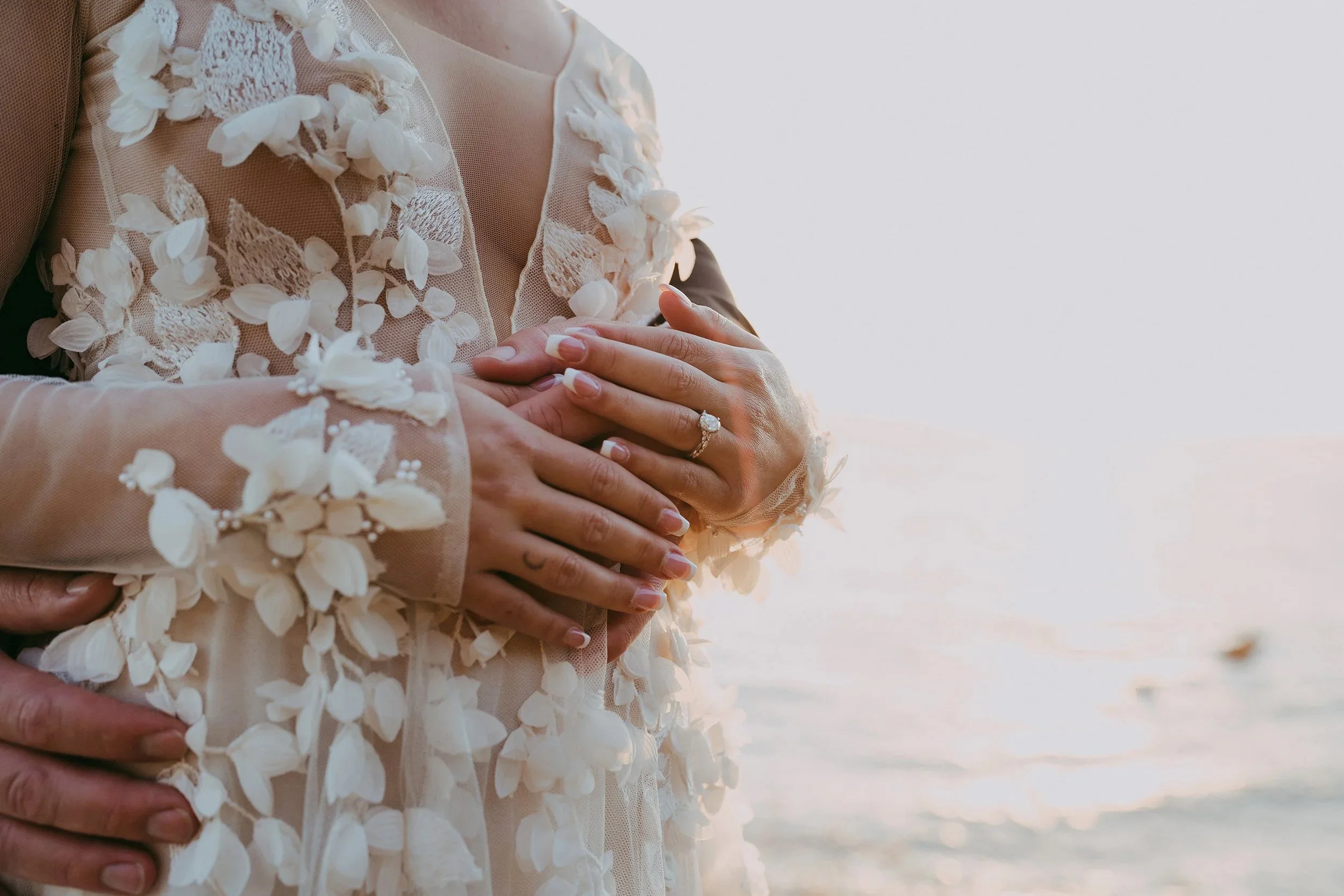
During the ring exchange, take your time and be mindful of hand placement so your fingers remain visible. Avoid covering the hands with your body while placing the rings.
For the first kiss, don’t rush it. Hold it for a moment so it can be fully captured. When walking back down the aisle, feel free to celebrate, smile, laugh, go in for a second kiss, and/or add a dip if that feels natural to you.
If you’re interested in doing a dip, I recommend practicing it in advance. There are a few simple variations, and I’m happy to share ideas ahead of time if you’d like.
Please ask the officiant to move on the side during for the first kiss.
Have some move the microphone.
An unplugged ceremony is always ideal, as it allows guests to stay fully present and focused on you and the ceremony. If you choose not to have an unplugged ceremony, I recommend asking the officiant to gently remind guests not to step into the aisle or block views while taking photos. Unplugged ceremonies can be announced by the officiant or by signs.
Most importantly, enjoy the moment and allow everything to unfold naturally. The more present you are, the more meaningful these moments and the images will be.
Special Note: If you visit the venue or have a rehearsal, it can be helpful to ask about the most flattering ceremony spot lighting-wise. Even, soft light, ideally in open shade, makes a beautiful difference in photos, though there’s absolutely no pressure if adjustments aren’t possible.
Family Formals
Family formals are an important part of the day, and when they’re planned well, they can be smooth and stress-free. These photos are reserved for closest relatives only. Keeping this portion focused allows us to move efficiently and ensures no one feels rushed.
If you’d like photos with friends, extended family or extended groups, I recommend doing those either as table visits during the reception or as larger group photos after family formals. This helps avoid spending too much time pulling people away and keeps the flow of the day intact.
Prior to the wedding day, please make sure anyone included in family formals knows they’ll be part of these photos. After the ceremony, time moves quickly and guests often step away, so having everyone remain nearby allows us to complete family portraits smoothly.
I always begin family formals with immediate family and older relatives, so they can step away and get comfortable as soon as possible. Once family formals are complete, we’ll move into wedding party portraits. While we take photos with the family, it is a good moment for the wedding party to take a short break, use the restroom, or grab a drink before returning for their photos.
If any members of the wedding party are also included in family formals, they will need to stay present until family portraits are finished. Clear communication ahead of time makes this portion of the day calm, efficient, and respectful of everyone’s time.
What I need from you:
A detailed list of family formal groupings, including names and relationships for each group.
One designated helper (wedding party member or relative) who knows the people on the list to help call out names and organize the next group (this saves a lot of time).
Ask everyone included in family photos to remain at the ceremony site immediately after the ceremony.
Please have the DJ or officiant make a quick announcement at the end of the ceremony reminding family members to stay for photos.
If possible, also notify family members by email in advance so everyone knows what to expect
Wedding Party Portraits
Wedding party portraits are a fun, upbeat part of the day, and I keep this portion moving while still giving clear guidance. I’ll direct everyone where to stand, how to interact, and when to shift positions so the group feels organized without feeling stiff.
This is also a natural reset moment. Once family formals are finished, the wedding party typically has a few minutes to grab a drink, use the restroom, or regroup before coming back together for portraits. When it’s time, I’ll bring everyone back in and guide the flow so we can move efficiently and keep things enjoyable.
If members of the wedding party were also included in family formals, they’ll simply remain nearby until those are complete, then transition directly into wedding party photos. Clear communication and pacing here help keep the day flowing smoothly without interruptions.
Note: For each side, bride and groom, have a designated person to help throughout the day. They can carry important items and paperwork, keep track of where things are, and grab anything you need when it’s time.
Cocktail Hour
Cocktail hour is a relaxed part of the day, and it’s also when the pace naturally shifts and the celebration begins to open up.
Even if you choose to have a first look earlier in the day, I will still plan to step away with you briefly during cocktail hour for a second portrait session. This time is usually used for sunset light, softer tones, or simply a different feel than earlier portraits. If you choose not to do a first look, cocktail hour is when we’ll take your couple portraits for the first time. Either way, this time is intentionally built into the flow of the day.
Cocktail hour also gives me the opportunity to document candid guest moments, natural interactions, and the overall atmosphere of the celebration, either before or after stepping away with you for portraits.
After we finish sunset portraits, it’s important that I have a few uninterrupted minutes to photograph the reception space and décor before guests are invited in. This allows those details to be captured thoughtfully and as designed, before the room fills and the evening begins.
Because cocktail hour serves multiple purposes, couple portraits, guest candids, and detail coverage, allowing a bit of flexibility here helps everything feel unhurried and intentional.
Reception & Key Moments
Once the reception begins, the focus shifts to celebration, connection, and being fully present. During this part of the day, my approach is mostly observational, allowing moments to unfold naturally while staying attentive to the flow of the evening.
Before key moments such as the first dance, toasts, cake cutting, or any special traditions, I’ll gently check in with you or your planner to make sure everything feels aligned and unhurried. I won’t interrupt the energy of the room, but I will make sure I’m in the right place at the right time so these moments are captured thoughtfully and without stress.
The majority of the reception is documented candidly, laughter, reactions, quiet conversations, and the atmosphere as it naturally evolves. These in-between moments are just as important as the formal events and often become some of the most cherished images.
If there’s anything specific you’d like me to prioritize, a surprise, a meaningful guest, or a moment you’re especially looking forward to, you’re always welcome to share that with me ahead of time or during the reception.
My goal during the reception is simple: to document the evening as it truly feels, while making sure you can relax, enjoy yourselves, and stay present with the people you’re celebrating with.
If you’re planning a grand exit and would like it photographed, please let me know while we’re building your timeline so we can be sure my coverage includes that moment. While I don’t always stay through the very end of the night, I’m happy to be there for you when it’s something you’re envisioning.
Notes:
• Avoid mirrors behind the sweetheart table.
• Toasts work best when speakers stand next to you.
Timeline Suggestion Summary
Every wedding day is different, but below is a general guideline to help you understand how the day often flows. This is not a strict schedule, it’s simply a starting point that we’ll personalize together based on your priorities, location, and overall vision.
Getting Ready: 2–3 hours
(Details, dress, hair and makeup finishing touches, and early moments with loved ones)First Look (if chosen): 20–30 minutes
(Private moment + initial couple portraits)Couple Portraits (total): 20–45 minutes
(Often split into two sessions, earlier in the day and again around sunset)Wedding Party & Family Formals: 30–40 minutes
(Family first, followed by wedding party portraits)Ceremony: 20–40 minutes
(Depending on traditions and personal elements)Church Ceremony: 40-70 minutes
Cocktail Hour: 60 minutes
(Guest mingling, candid moments, sunset portraits, and reception detail photos)Reception & Key Moments: As planned
(First dances, toasts, dinner, and celebration)
This outline allows the day to feel unrushed and intentional, while leaving room for moments to unfold naturally. We’ll go over your specific timeline together to make sure it supports the experience you want — If you’re working with a wedding coordinator, please make sure we connect about your timeline so everything flows smoothly.
Final Note
A thoughtfully planned timeline creates space for you to be present and enjoy each part of your day. With the structure in place, you can relax knowing everything is supported and flowing smoothly.
I’m here to guide when needed and step back when it matters most. I can’t wait to be part of your celebration.
Full Galleries
-
![Carmel and Big Sur wedding photographer]()
Blair & Kyle wedding
-
![Big Sur wedding photographer]()
Kadi and Forest wedding
-
![Santa Cruz wedding photographer]()
Tara and Ben wedding